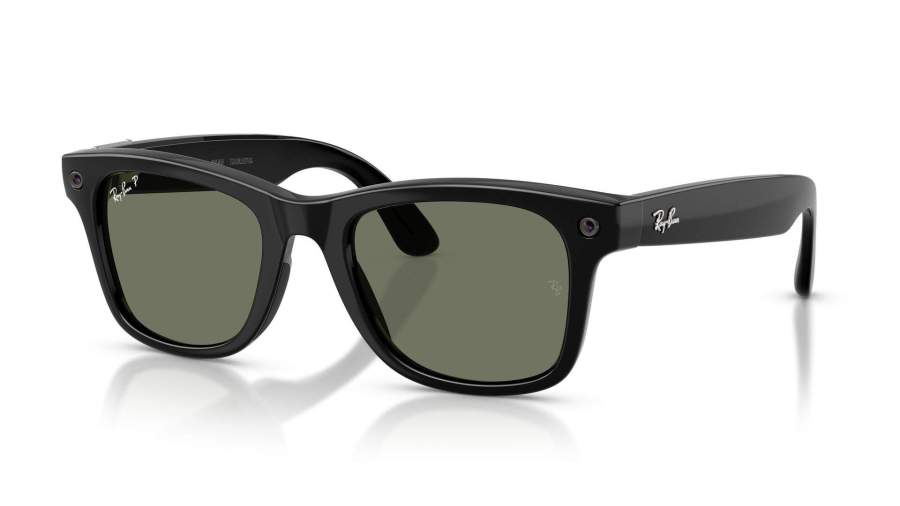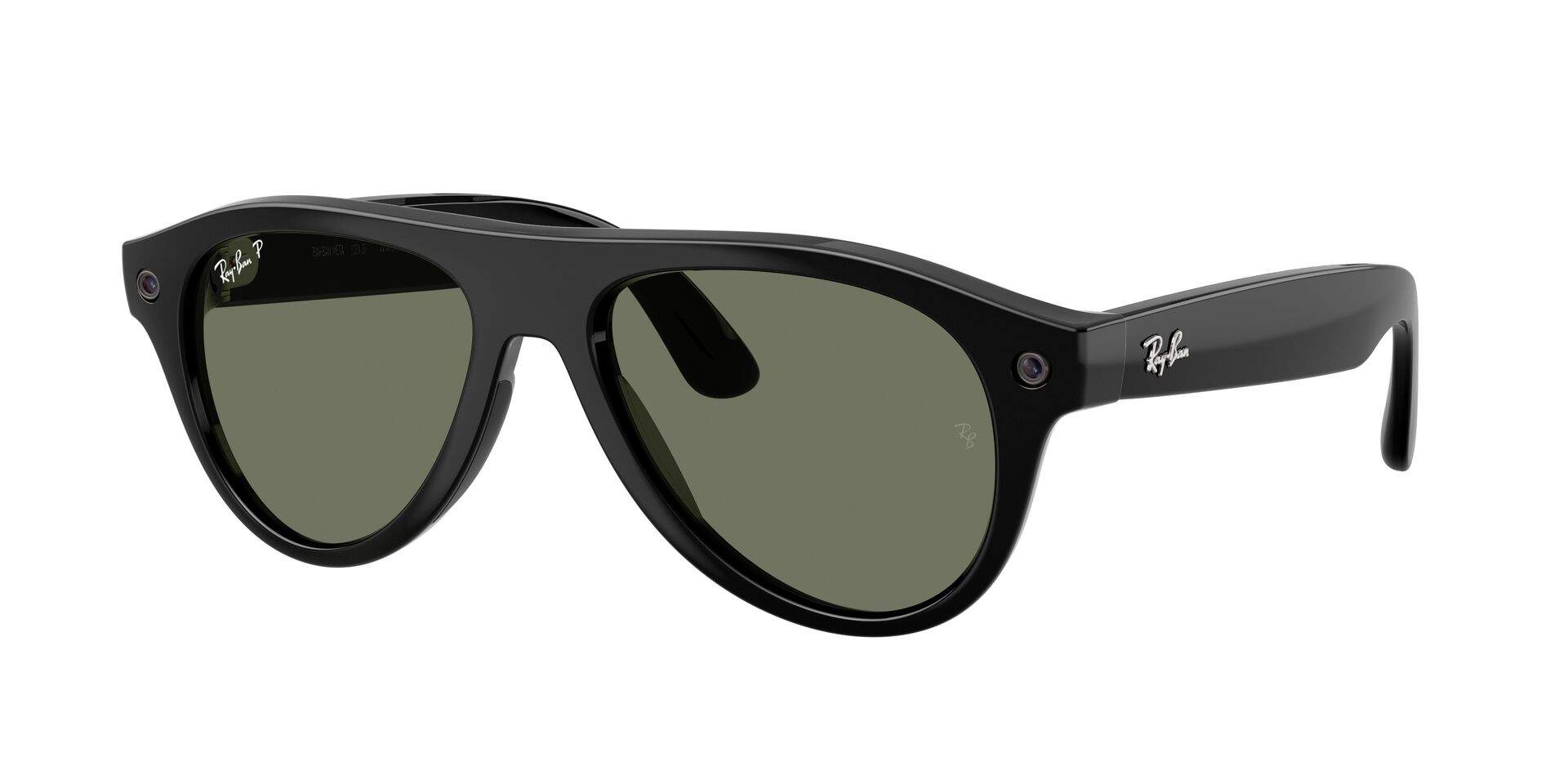
The Ray-Ban Meta are no longer just a simple gadget for filming daily life. In a few years, smart glasses have taken an important place in the world of artificial intelligence. And Meta is determined to continue developing the concept. After several months of rumors, the new generation is now official: the Ray-Ban Meta Gen 3 were presented on September 23, 2026, at Meta Connect.
The third generation does not revolutionize the formula. Meta notably retains the 12-megapixel camera, 3K Ultra HD video recording, open-ear speakers, and integration of Meta AI. The main evolutions concern rather the autonomy, audio capture, design, and certain photo-related functions.
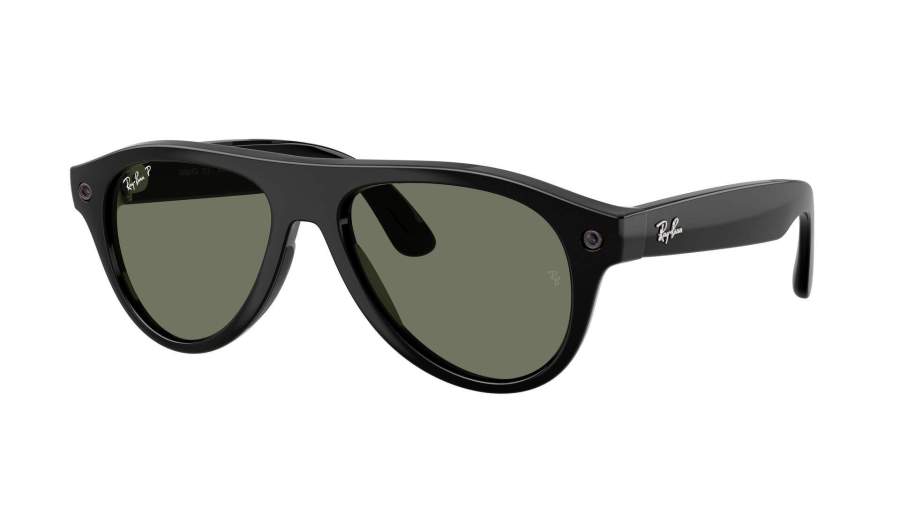
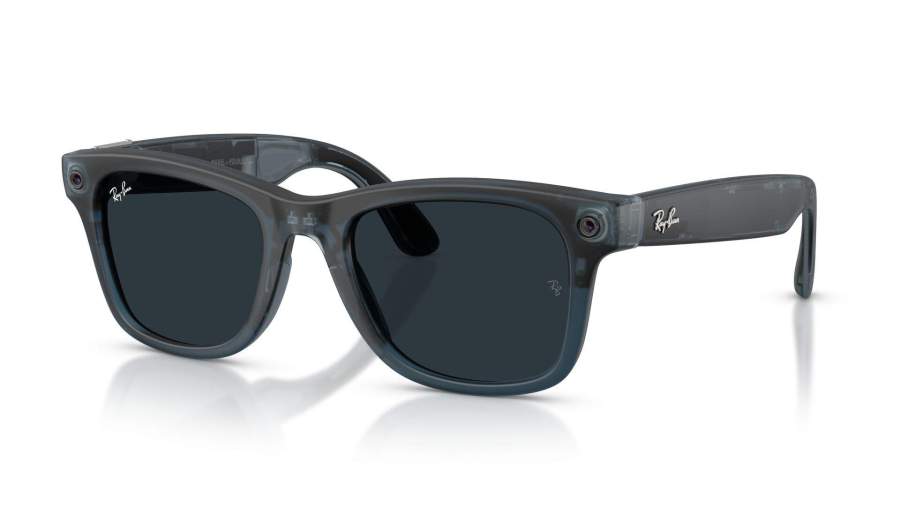
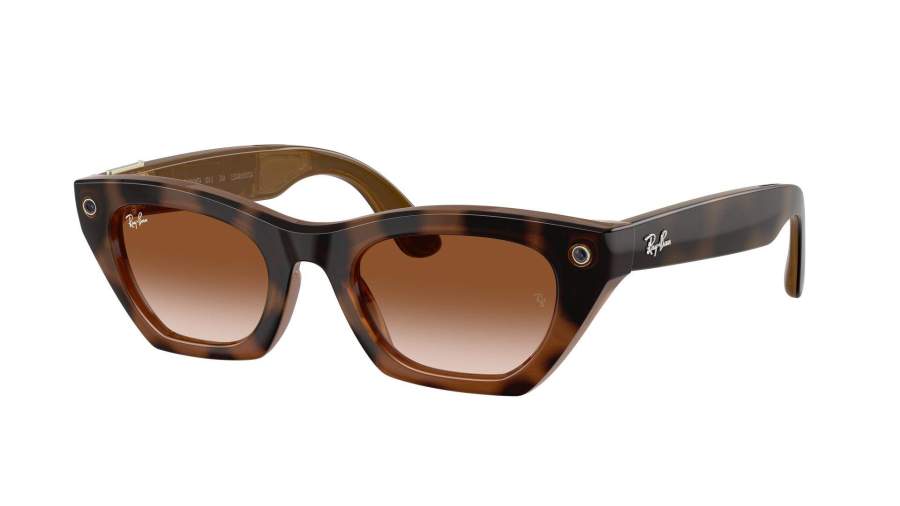
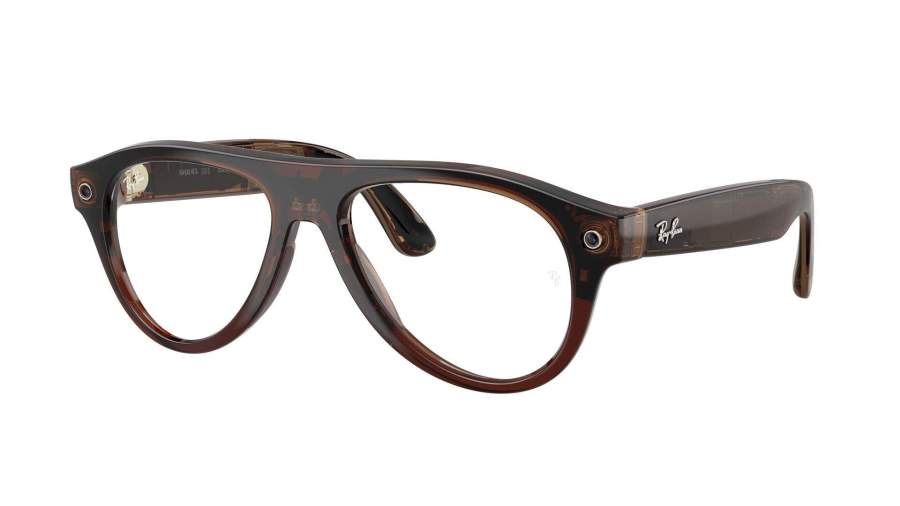
And contrary to what might have been expected, the Wayfarer is no longer alone in the catalog. The Ray-Ban Meta Gen 3 are offered with several silhouettes, including the new Aviator and Zena, the latter adopting a finer cat-eye shape.
The Ray-Ban Meta moves to the third generation
The second generation remains relatively recent. It even benefited from new variations in 2026, notably with the Ray-Ban Meta Blayzer Optics and Scriber Optics Gen 2, specifically designed to accommodate prescription lenses. These models adopt a finer construction, interchangeable nose pads, over-extension hinges, and especially adjustable temple tips.
Gen 3 continues this logic with a frame revised in detail. The temples are slightly thinner, and the tips can be adjusted to improve support. Meta has also reduced by 36% the opening around the camera and its LED indicator. The glasses thus remain more discreet when worn daily.
The range also expands with three silhouettes: Wayfarer, Aviator, and Zena. The latter brings a cat-eye shape that allows the new generation to move further away from the very typical universe of smart glasses.
12 MP camera and autonomy up to 9 hours
It is ultimately on autonomy that Meta brings one of the most concrete evolutions. The Ray-Ban Meta Gen 3 can reach up to 9 hours of use on a charge, compared to more than eight hours announced for Gen 2. The actual autonomy obviously varies according to the use of the camera, audio, and Meta AI.
However, Meta has not increased the definition of the camera. Gen 3 retains a 12-megapixel sensor capable of filming in 3K Ultra HD at 30 frames/s. The glasses still have 32 GB of storage, with a capacity announced for more than 1,000 photos and more than 100 videos of 30 seconds.
The novelty lies more in the way of photographing. The Dynamic Photos allow selecting the best image from a short sequence, a function particularly useful when the subject moves or when a photo is taken quickly.
The camera also retains its LED indicator intended to inform those present that a photo or video is being taken.
Six microphones for audio and Meta Glasses AI
The other important evolution is found in the temples. The Ray-Ban Meta Gen 3 goes from five to six microphones. Meta announces a reduction of more than 90% of background noise in certain situations, with the goal of improving calls and understanding voice commands when the environment is noisy.
The open-ear speakers are still present. They allow listening to music, podcasts, or making calls without using earphones, while still perceiving surrounding sounds.
The Meta Glasses AI remains at the center of the experience. With Meta AI, the glasses can answer questions, provide information about what the user is looking at, translate certain content, send messages, or manage different functions by voice. The Meta AI app and a compatible smartphone remain necessary for setup and certain features.
The possibilities offered by Meta AI also depend on the country, language, and available software updates.
A new customizable action button
Meta also adds a customizable action button on the Ray-Ban Meta Gen 3. It can notably be configured to quickly access Meta AI or another selected function.
This button complements the touch and voice controls of the glasses. It especially offers another way to interact with the Ray-Ban Meta, without necessarily needing to pronounce a command aloud.
A range that opens up more to women
Design thus takes a more important place in this new generation. The Wayfarer remains obviously in the catalog, but the Ray-Ban Meta Gen 3 also welcome the Aviator and the Zena.
The latter adopts a finer cat-eye shape, which broadens the possibilities for those who seek something other than the classic silhouettes of previous generations. Meta announces a total of 27 combinations of frames and lenses for the launch of Gen 3.
This evolution is particularly interesting for prescription glasses. When a pair of Ray-Ban Meta must be worn several hours a day, the choice of shape, size, and correction becomes as important as the electronic functions embedded.
All Ray-Ban Meta, with the expertise of an optician
At Visiofactory, the interest is therefore not just to offer a pair of Ray-Ban Meta.
The goal is to allow the customer to order their pair of Ray-Ban Meta with custom prescription lenses, which we offer with several brands of lenses like Ray-Ban and BBGR. As an authorized Ray-Ban Meta reseller, we can thus offer this adaptation to vision, still little present on sites specialized in technological products.
For someone who wears their glasses all day, this possibility obviously changes the way to consider the Ray-Ban Meta. The optical correction, the choice of the frame, and the type of lens remain elements to consider just as much as the camera or autonomy.
Ray-Ban Meta Gen 3: no augmented reality
Despite their designation as AI glasses, the Ray-Ban Meta Gen 3 still do not have a screen in the lenses. They therefore do not project information in front of the eyes and are not augmented reality glasses in the classic sense of the term.
Interaction passes through voice, touch, camera, microphones, and speakers. When they are not used for their connected functions, they remain visually close to a traditional pair of Ray-Ban glasses.
Ray-Ban Meta Gen 3 or Gen 2?
The second generation retains serious arguments. It also has a 12 MP camera, 3K video, open-ear speakers, Meta AI, and 32 GB of storage. The Scriber Optics and Blayzer Optics Gen 2 models have also been developed to receive prescription lenses.
Gen 3 mainly brings improvements on points that become important when the glasses are used regularly: up to 9 hours of autonomy, six microphones, better noise reduction, a customizable action button, a finer frame, and new photo functions. The camera, however, remains at 12 MP with 3K video recording.
The choice will therefore also depend on the shape sought, the availability of references, and the possibilities for correction. For connected prescription glasses, the frame and lenses remain essential criteria.
The Ray-Ban Meta Gen 3 are available
After several months of rumors, Meta has finally lifted the veil on its new generation. The Ray-Ban Meta Gen 3 retain the formula that has made the success of previous versions while improving several practical aspects: autonomy, audio capture, camera integration, and choice of frames.
The Ray-Ban Meta thus remain halfway between classic glasses and a connected device. They allow taking first-person photos and videos, listening to music, making calls, and using Meta AI without having to take out a smartphone. For glasses wearers, they can especially receive prescription lenses so as not to have to choose between optical correction and connected functions.
Article updated on September 24, 2026 – Sébastien Rabatel